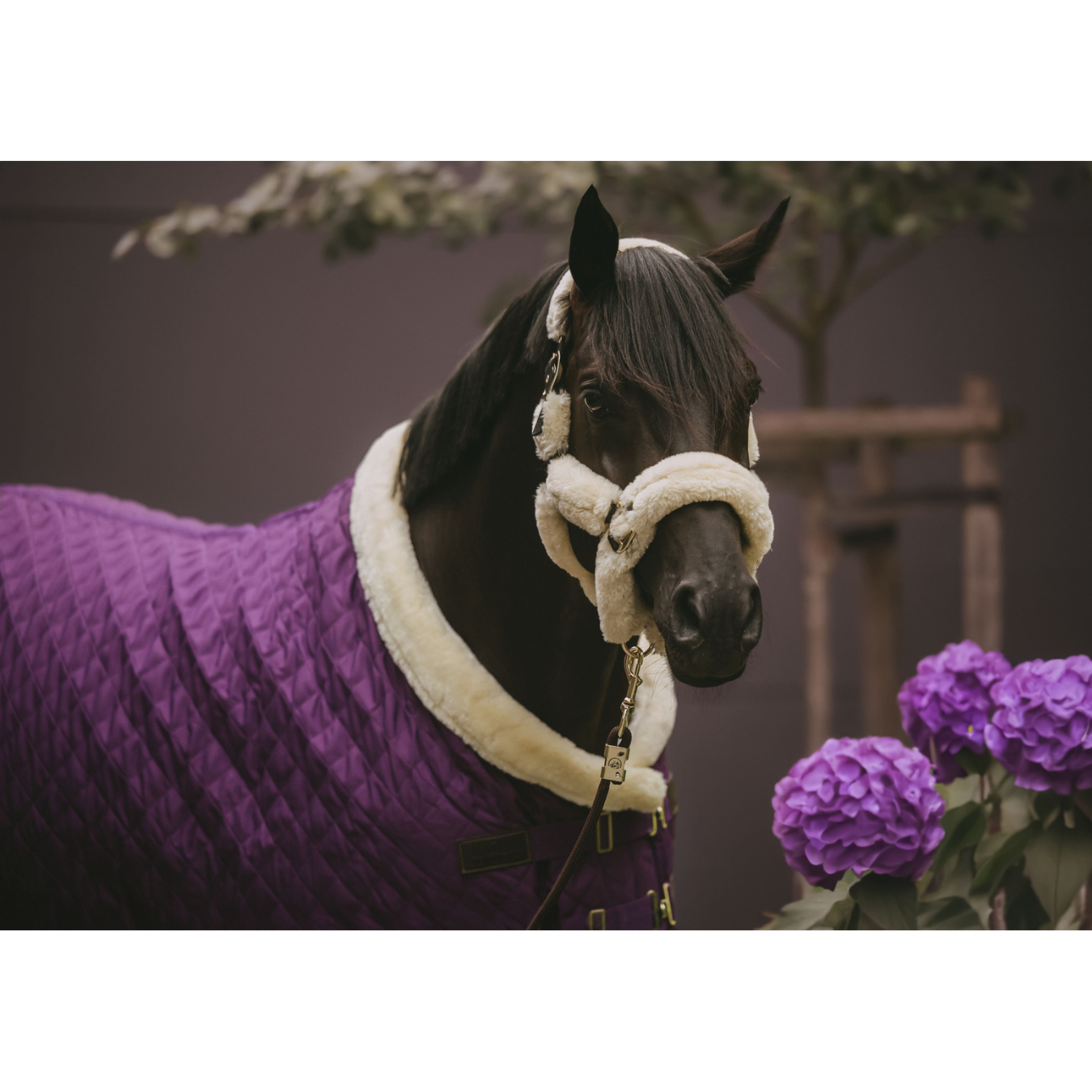


Choose from winter rugs by Zilco, Eurohunter, Kentucky Horsewear, Academy and other trusted equestrian brands. Whether you need a lightweight layer, a warm 200g combo, a detachable liner system or a durable canvas rug for everyday turnout, this collection makes it easier to match the rug to your horse, climate and routine.
About Our Winter Horse Rugs
Winter horse rugs are designed to help horses stay warm, dry and comfortable when temperatures drop, rain sets in or paddock conditions become wet and windy. The right rug depends on your horse’s coat, workload, body condition, shelter, clipping status and local climate. Some horses only need a light turnout rug, while clipped horses, older horses and finer breeds may need extra fill, a neck rug or a layered system through the coldest part of winter.
Winter Combo Rugs
Winter combo rugs include an attached neck section for extra coverage from the poll to the tail. They are a practical choice for clipped horses, horses living out overnight, or horses that feel the cold through the neck and shoulders. A combo also helps keep the mane and neck cleaner during wet paddock conditions.
- Best for: clipped horses, full-body coverage, cold paddocks
- Common styles: 100g combos, 200g combos, waterproof combos
- Useful features: attached neck, tail flap, shoulder gussets, secure leg straps
Canvas Winter Rugs
Canvas rugs are a traditional winter option for horses that need durable everyday protection. They are usually heavier and more rugged than synthetic rugs, making them a good choice for horses that are rough on their gear or live in paddocks with trees, fencing and other horses. Canvas can also breathe well when correctly fitted and maintained.
- Best for: tough paddock use, horses that damage rugs, everyday winter coverage
- Common styles: canvas rugs, canvas combos, lined canvas rugs
- Useful features: strong outer fabric, warm lining, adjustable chest fit, repairable construction
Waterproof Turnout Rugs
Waterproof winter turnout rugs are made for horses that spend time outside in rain, wind and cold weather. The outer layer helps keep moisture out, while the inner fill provides insulation. If your horse lives out during winter, look for a rug with a reliable waterproof rating, breathable lining and enough freedom through the shoulders for grazing and movement.
- Best for: wet paddocks, exposed properties, overnight turnout
- Common styles: waterproof rugs, turnout combos, rainsheets with fill
- Useful features: waterproof outer, breathable lining, taped seams, secure surcingles
Rug Liners and Layering Systems
Liners are useful when the weather changes quickly or when one outer rug needs to cover several temperature ranges. A 100g liner can add light warmth, while a 300g liner gives much more insulation for colder nights. Layering works well if the outer rug is waterproof and the liner sits smoothly underneath without pulling across the shoulders.
- Best for: changing winter weather, clipped horses, flexible warmth
- Common styles: 100g liners, 200g liners, 300g liners
- Useful features: compatible clips, smooth inner lining, easy washing, adjustable warmth
Coolers and Fleece Rugs
Coolers and fleece rugs are not usually designed for heavy rain or long paddock turnout. They are used after work, washing or travel to help wick moisture away while the horse cools down. A good cooler is especially useful in winter because putting a wet horse straight into a warm turnout rug can trap moisture against the coat.
- Best for: post-ride cooling, travel, drying after washing
- Common styles: fleece rugs, cooler rugs, neck rugs
- Useful features: moisture-wicking fabric, soft feel, quick drying, secure front closure
Choosing the Right Fill Weight
The fill weight tells you how much insulation is inside the rug. A 0g rug or rainsheet gives weather protection without warmth. A 100g rug suits mild winter days or horses that do not need much extra heat. A 200g rug is a common middle-ground choice for colder conditions. Heavier options or liners suit clipped horses, older horses and very cold nights.
As a guide, choose less fill for horses with thick natural coats, good shelter and easy weight maintenance. Choose more fill for clipped horses, fine-coated breeds, older horses, horses that drop weight easily or paddocks exposed to wind and rain.
Frequently Asked Questions About Winter Horse Rugs
Below you can review questions we get asked.
What is the best winter horse rug?
The best winter horse rug depends on your horse and conditions. For wet paddocks, a waterproof turnout rug or combo is usually the best choice. For dry but cold conditions, a canvas rug, stable rug or liner system may be enough.
How warm should a winter horse rug be?
A 100g rug suits mild winter weather, while a 200g rug is a common option for colder nights. Clipped horses, older horses and horses that feel the cold may need heavier fill or a liner. Always check the horse under the rug rather than relying only on the temperature.
Are winter horse rugs waterproof?
Not all winter rugs are waterproof. Turnout rugs and many combos are designed for wet weather, but fleece rugs, coolers and some stable rugs are not. Check the product description before using a rug in rain.
Should I use a winter combo or a standard rug?
Use a winter combo if your horse needs extra neck coverage, is clipped, lives out overnight or gets cold through the shoulders and neck. A standard rug may be better for horses that run warm, have a thick coat or only need body coverage.
How should a winter horse rug fit?
A winter rug should sit securely across the chest, with enough room for the horse to lower its head and move through the shoulder. It should cover the hindquarters without slipping back or hanging too low. Check for rubbing around the wither, chest, shoulders and neck after the first few wears.