



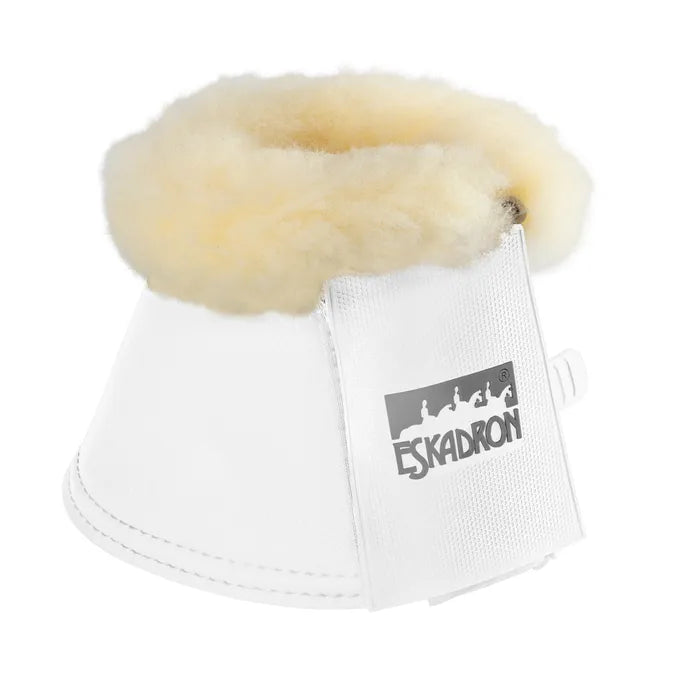


Bell boots are one of the most essential pieces of protective equipment a horse can wear, particularly for horses that overreach or forge during fast work. Browse our full horse boots collection for tendon boots, fetlock boots and brushing boots to complete your horse's protection setup.
Bell Boot Details & Explaination
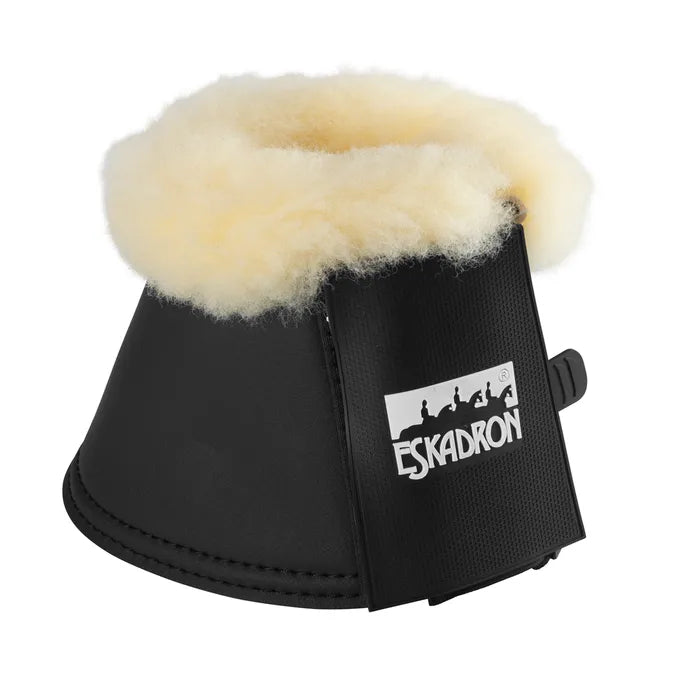
Bell boots (also called overreach boots) sit around the pastern and cover the heel bulbs and coronet band to prevent injuries caused by the hind hooves striking the front heels. This type of injury, known as an overreach, is common during jumping, fast canter work, turnout and lunging. A single overreach can cause bruising, cuts or even pull a shoe, so prevention is always easier than treatment. Bell boots come in several materials and closure types, and the right choice depends on what your horse does and how prone they are to forging.
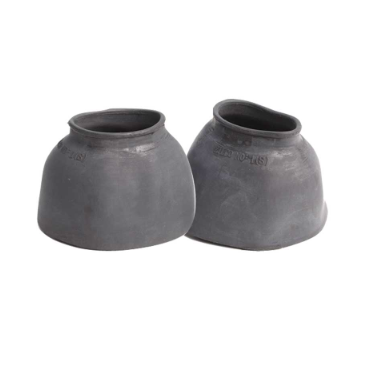
Rubber Bell Boots
Rubber bell boots are the traditional, no-fuss option. They pull on over the hoof, sit in place without any fasteners and are tough enough to handle paddock turnout, daily training and wet conditions. Because there are no velcro tabs or buckles, there's nothing to come undone mid-session. The trade-off is that pull-on styles can be harder to get on and off, particularly on horses with larger hooves. Double-ribbed rubber bells add extra durability and are less likely to flip up during fast work.
- Pull-on design with no fastenings to fail
- Durable in all conditions including mud, wet grass and arena surfaces
- Best for turnout, everyday training and horses that are hard on gear
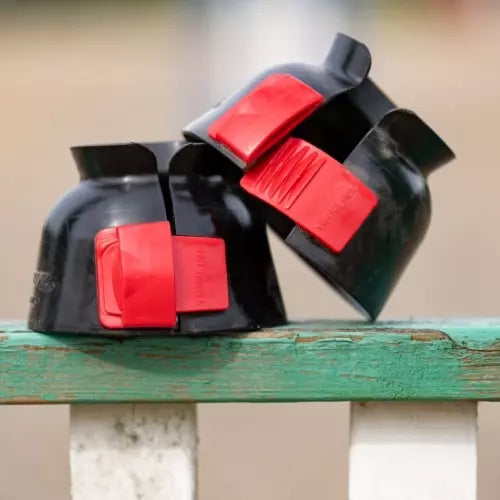
Velcro and Fastening Bell Boots
Velcro bell boots are easier to put on and take off, making them a practical choice for riders who boot up and remove boots frequently. The velcro closure allows a more adjustable fit around the pastern, and many riders prefer them for competition and schooling where boots go on and off between phases. The downside is that velcro can collect arena footing, weaken over time and occasionally come undone during intense work. Look for boots with a wide, double-lock velcro tab for the most secure fit.
- Easy on and off compared to pull-on styles
- Adjustable fit around the pastern
- Best for competition, schooling and riders who change boots frequently
No-Turn Bell Boots
No-turn bell boots feature a reinforced heel or weighted section that keeps the boot sitting correctly around the hoof instead of spinning during movement. Standard bell boots can rotate so that the reinforced section shifts away from the heel, reducing protection exactly when it's needed. No-turn designs solve this problem and are a good upgrade for horses that wear bell boots during turnout or extended periods of work.
Pony and Oversized Bell Boots
Bell boots are available in sizes from small pony through to XL and XXL to fit draught crosses and warmbloods with larger hooves. Getting the right size matters: a boot that's too small won't cover the heel bulbs properly, while one that's too large will flap, trip the horse or get pulled off in mud. Measure around the coronet band and check the brand's size guide before ordering.
Choosing the Right Bell Boot for Your Horse
The best bell boot depends on how your horse will wear it:
- Turnout only - rubber pull-on boots are the most durable and reliable option. They stay on without fastenings and handle mud, water and rough paddock conditions.
- Jumping and fast work - a lightweight, close-fitting boot with velcro or a no-turn design keeps the heel protected without adding bulk or weight that could interfere with movement.
- Cross-country - carbon or reinforced overreach boots from brands like <a href="/collections/brands/veredus">Veredus</a> offer maximum durability at speed over solid fences.
- Competition and schooling - velcro boots in your preferred colour are easy to swap on and off between warm-up and the ring.
- Horses prone to forging - no-turn boots with a reinforced heel section provide the most consistent coverage for horses that regularly clip their front heels.
Frequently Asked Questions About Bell Boots
What are bell boots for horses?
Bell boots are protective covers that sit around the pastern and drape over the heel bulbs and coronet band. They prevent overreach injuries, which happen when the hind hooves strike the back of the front heels during movement. They're also known as overreach boots.
Why do horses wear bell boots?
Horses wear bell boots to protect the front heels from being struck by the hind hooves, which is especially common during jumping, cantering, lunging and turnout. An overreach can cause bruising, lacerations or pull a shoe, so bell boots act as a preventative measure.
Should horses wear bell boots for turnout?
Many owners use bell boots during turnout, particularly for shod horses or those that are known to overreach. Rubber pull-on boots are the best choice for turnout because they have no fastenings that can come undone or catch on fencing. Remove and check them regularly to avoid rubbing.
What is the difference between pull-on and velcro bell boots?
Pull-on bell boots are made from a single piece of rubber with no fastenings, so they can't come undone but are harder to get on and off. Velcro bell boots have an opening with a velcro tab, making them easier to apply and remove but potentially less secure during intense work or muddy conditions.
What size bell boots does my horse need?
Measure around the coronet band (the top of the hoof where it meets the hairline) and refer to the brand's sizing chart. The boot should cover the heel bulbs completely without dragging on the ground or sitting too high above the hoof. If you're between sizes, go up rather than down to ensure full heel coverage.