

About Our Horse Fly Control Products
Effective fly control rarely comes down to a single product. Flies, midges, mosquitoes and other biting insects breed in different places and attack horses in different ways, so the best results come from combining several methods: topical repellents on the horse, physical barriers like rugs and veils, environmental management around the property, and in some cases feed-through supplements that interrupt the fly breeding cycle. In Australia, the warm months bring a heavy insect load, and horses with sensitivities such as Queensland itch (caused by Culicoides midges) need protection well before the season peaks.
Fly Sprays and Repellents
Fly sprays are the most common form of fly control and the easiest to apply daily. They work by repelling or killing insects on contact, using either synthetic active ingredients like permethrin or natural ingredients like citronella, tea tree and eucalyptus oils. Permethrin-based sprays tend to last longer and stand up better to sweat, while natural sprays suit owners who prefer a gentler formula or have horses with sensitive skin. Apply before riding and before turnout during peak fly times, taking care around the eyes and any broken skin.
- Permethrin-based sprays - longer-lasting protection, more water and sweat resistant
- Natural and citronella sprays - gentler on sensitive skin, pleasant scent, more frequent reapplication
- Roll-ons and gels - targeted application for the face, ears and other delicate areas where sprays aren't ideal
Fly Rugs, Veils and Masks
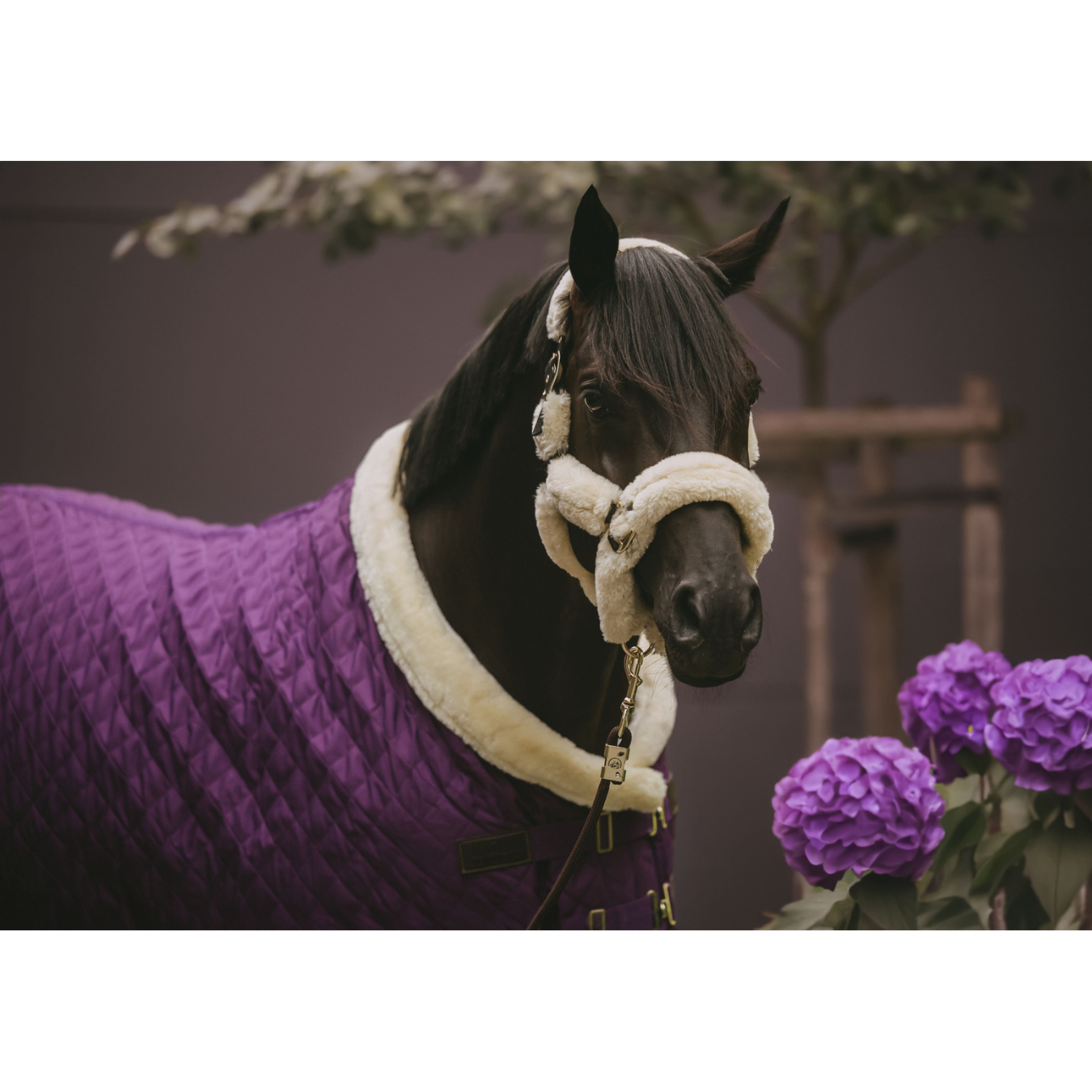
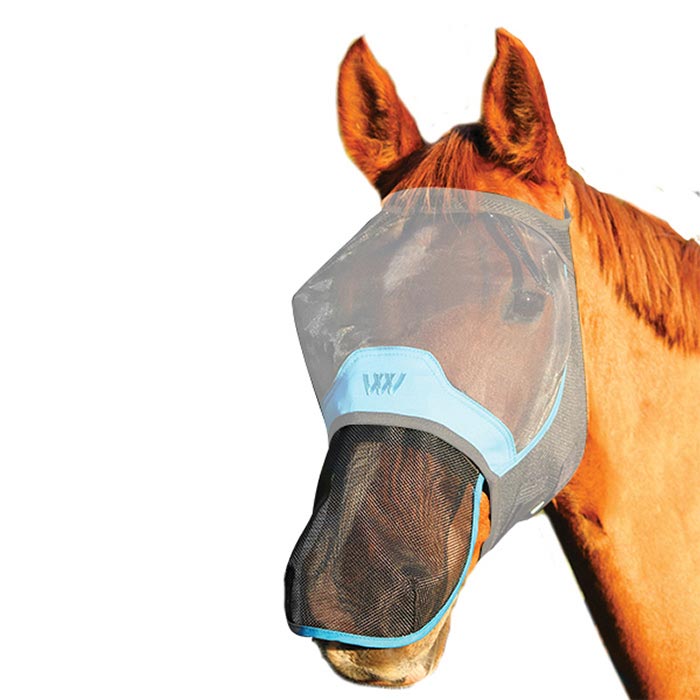
Physical barriers are the most reliable form of fly control because they don't wear off. Fly rugs and mesh combos cover the body while allowing air to circulate, keeping the horse cool while blocking insects. Fly veils and masks protect the face and eyes, which are the areas flies target most and where sprays are hardest to apply safely. For horses with Queensland itch, a full combo rug with belly and tail coverage is often the single most effective management tool, physically preventing midges from reaching the skin along the mane, tail and midline. Browse our rug accessories for hoods and attachments that extend coverage.
Feed-Through Supplements
Feed-through fly control supplements work from the inside out. Some contain ingredients like garlic that are thought to make the horse less attractive to insects, while others contain an insect growth regulator that passes through the horse's digestive system into the manure, preventing fly larvae from developing into adult flies. Feed-through products work best as part of a property-wide strategy because they reduce the overall fly population rather than protecting an individual horse on contact. Results build over several weeks of consistent feeding.
Stable and Environmental Control
Reducing the fly population around the stable and paddock is one of the most effective long-term strategies. Flies breed in manure, wet bedding, stagnant water and decaying organic matter, so good hygiene makes a measurable difference. Regular manure removal, keeping feed areas clean, eliminating standing water and using fly traps or baits all reduce the number of insects reaching your horses. Stable fly screens, fans and automatic misting systems are options for horses that are stabled during the day through peak fly season.
- Manure management - remove and store manure away from horses to break the breeding cycle
- Fly traps and baits - reduce adult fly numbers around stables and yards
- Water management - eliminate stagnant water where mosquitoes and midges breed
- Stable airflow - fans and screens deter flies from stabled horses
Protecting Horses with Queensland Itch
Queensland itch (also called sweet itch or summer eczema) is an allergic reaction to the bites of Culicoides midges, and it's one of the most common reasons Australian owners take fly control seriously. Midges are most active at dawn and dusk, so stabling during these times can help. A well-fitted combo fly rug with neck, belly and tail coverage provides the strongest barrier. Topical treatments soothe affected skin, while insect repellents reduce bites between rug changes. Because midges are tiny, fine-mesh rugs designed specifically for midge protection work better than standard fly rugs with larger mesh.
Common Questions About Horse Fly Control
Below you can see common quesitons about our fly control products.
What is the best fly control for horses?
There's no single best product because effective fly control combines several methods. A daily fly spray, a well-fitted fly rug and veil, good manure management around the property, and a feed-through supplement together give far better results than any one product alone. The right mix depends on your horse's sensitivities and whether they're paddocked or stabled.
Do feed-through fly control supplements work?
Feed-through supplements that contain an insect growth regulator can reduce the fly population by preventing larvae from developing in the manure of treated horses. They work best across a whole property rather than for a single horse, and results build over several weeks. Garlic-based supplements are popular but the evidence for their effectiveness as a repellent is mixed. Feed-through products are best used alongside topical and physical methods, not as a replacement.
How do I protect my horse from Queensland itch?
Queensland itch is caused by an allergic reaction to midge bites. The most effective approach is a fine-mesh combo fly rug that covers the neck, belly and tail, since it physically blocks midges from reaching the skin. Stabling at dawn and dusk when midges are most active, applying insect repellents and soothing affected skin with appropriate topical treatments all help. Speak to your vet if your horse is severely affected, as they may recommend additional management or treatment.
What ingredients should I look for in a horse fly spray?
Permethrin is a common synthetic active that offers longer-lasting, sweat-resistant protection. Natural sprays use citronella, tea tree, eucalyptus or other essential oils for a gentler option that needs more frequent reapplication. Some sprays also include a sunscreen or coat conditioner. Choose based on your horse's skin sensitivity, the severity of your fly problem and how long you need the protection to last.
How can I reduce flies around my stable?
Fly numbers are driven by breeding sites, so reducing those is the most effective long-term control. Remove manure regularly and store it away from horses, keep bedding dry, clean up spilled feed, and eliminate standing water where mosquitoes and midges breed. Fly traps, baits and stable fans further reduce the number of insects reaching your horses. Environmental management combined with on-horse protection gives the best results.